
Professional Certificate in Label and Packaging Design for Product Launch Events
The Professional Certificate in Label and Packaging Design for Product Launch Events is a 100% online professional certificate (450 hours, 36 weeks) for anyone who wants to build a career in label and packaging design for product launch events. You learn through practical modules and real case studies, guided by tutors with industry experience, and finish with a final project.
New intake every two months · Interest-free payment plans · ESINEV certificate of completion (non-accredited training).
Overview
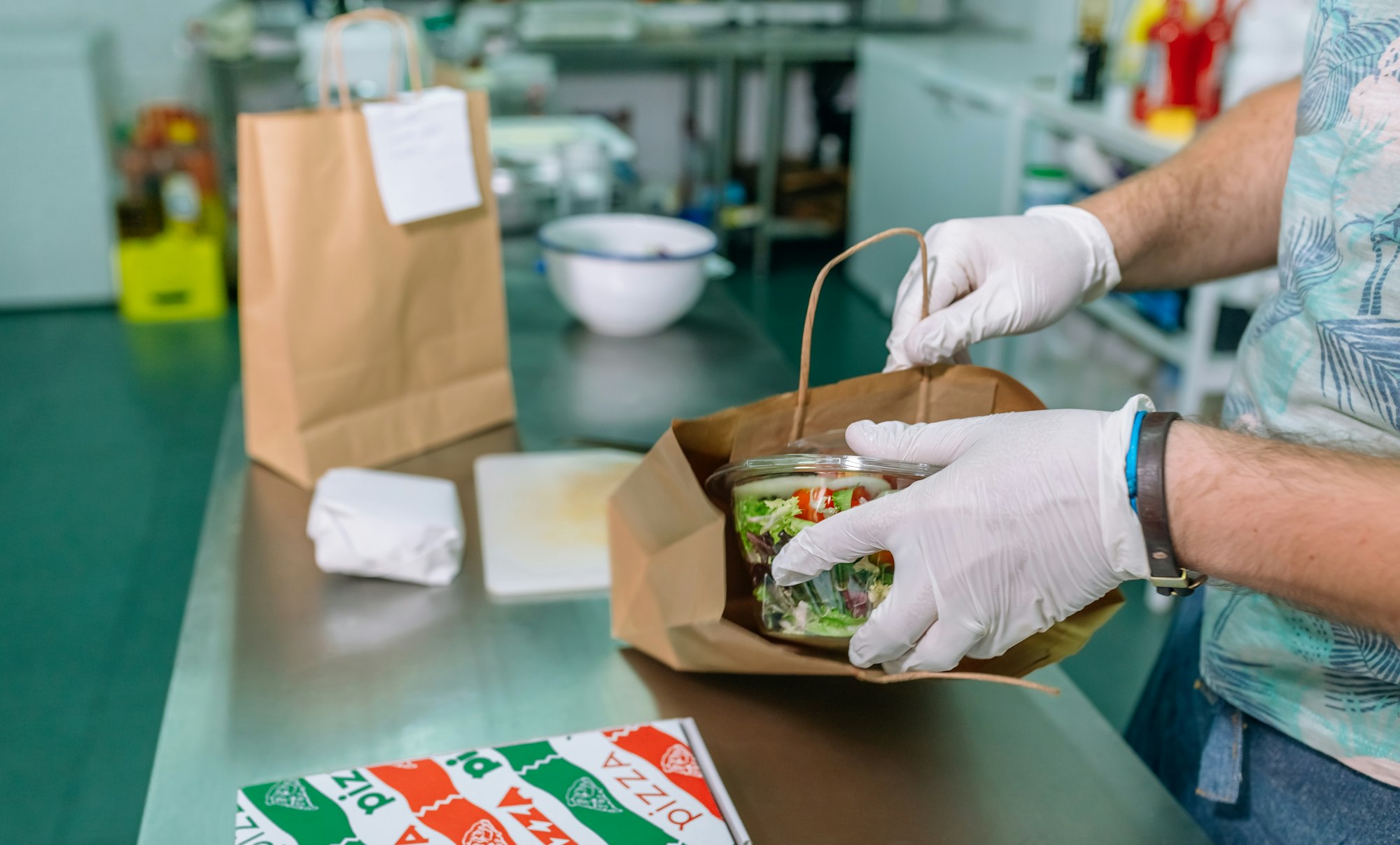
Our Professional Certificate in Label and Packaging Design for Product Launch Events is a specialised educational programme that will provide you with the essential skills to create attractive and effective labels and packaging that enhance the launch of new products. This professional certificate focuses on giving you a deep understanding of the design principles, packaging trends and visual strategies necessary to stand out at product launch events.
Studying from Australia
This programme is delivered 100% online in English, so you can study from anywhere in Australia — Sydney, Melbourne, Brisbane, Perth, Adelaide or Auckland — and fit your learning around work. The skills covered apply directly to events across Australia, from conferences and exhibitions to weddings and festivals. Fees are shown in Australian dollars (AUD) and can be spread with interest-free instalments.
About your certificate
ESINEV programmes are non-degree professional training delivered 100% online. On completion you receive an ESINEV certificate of completion. ESINEV is a private online training provider: this programme is not an Australian degree or AQF qualification, and is not accredited by TEQSA or ASQA.
Your learning path
Curriculum
A 450-hour program structured in 8 modules to design labels, packaging and presentation kits that enhance the experience of product launch events.
Submodule 1.1. Functions of packaging
Distinguish primary, secondary and tertiary packaging and the role of each.
Submodule 1.2. Packaging as a communication tool
Analyze how packaging conveys brand values at launch.
Submodule 1.3. Event-specific packaging
Identify PR boxes, press kits, limited editions and attendee gifts.
Submodule 1.4. The unboxing experience
Study the opening sequence and its impact on content and social media.
Submodule 1.5. Benchmark launch cases
Draw lessons from launches in cosmetics, technology, beverages and fashion.
Submodule 1.6. Players in a packaging project
Learn the roles of brand, agency, designer, printer and co-packer.
Submodule 1.7. Packaging brief for an event
Interpret a brief and define objectives, audiences, quantities and deadlines.
Submodule 2.1. Brand identity audit
Review the brand guidelines and identify visual elements applicable to the packaging.
Submodule 2.2. Visual benchmark of the shelf and competitors
Analyze competing packaging to find opportunities for differentiation.
Submodule 2.3. Creative concept for the launch pack
Develop a design idea aligned with the event concept.
Submodule 2.4. Information architecture on the pack
Prioritize brand, name, benefits and mandatory information on each panel.
Submodule 2.5. Moodboard and graphic system
Define the palette, typefaces, iconography and photographic style of the packaging.
Submodule 2.6. Limited editions and personalization
Propose numbered series, personalized names and exclusive versions for guests.
Submodule 2.7. Presenting the concept to the client
Prepare a visual proposal with creative rationale and alternatives.
Submodule 3.1. Label formats and types
Distinguish self-adhesive labels, sleeves, neck collars and hang tags.
Submodule 3.2. Layout and legibility
Apply grids, minimum text sizes and contrast to ensure readability.
Submodule 3.3. Typography and color in labeling
Select typefaces and manage Pantone and CMYK color for real substrates.
Submodule 3.4. Product illustration and photography
Integrate images and illustrations adapted to the surface and shape of the pack.
Submodule 3.5. Mandatory information and codes
Place barcodes, batch numbers, warnings and the symbols required by regulations.
Submodule 3.6. QR codes and connected labels
Design QR, NFC and augmented reality features that link the pack to event content.
Submodule 3.7. Label artwork
Prepare files with bleed, die lines, varnish layers and technical specifications.
Submodule 4.1. Packaging materials
Compare corrugated board, paperboard, micro-flute, wood, textiles and recycled materials.
Submodule 4.2. Dielines and flat layouts
Draw the flat layout of a box with flaps, folds and closures.
Submodule 4.3. Rigid boxes and premium cases
Design magnetic, drawer or lid rigid boxes for high perceived-value kits.
Submodule 4.4. Inserts, fitments and protection
Design inserts and dividers that protect the product and structure the unboxing.
Submodule 4.5. Prototyping and mock-ups
Build physical mock-ups and 3D renders to validate shape and proportion.
Submodule 4.6. 3D packaging design tools
Use structural design software and mockups to visualize the pack.
Submodule 4.7. Strength and transit testing
Test strength, stacking and packaging performance during shipping.
Submodule 5.1. Printing methods
Distinguish offset, digital, flexographic and screen printing by run length and substrate.
Submodule 5.2. Finishes and embellishments
Apply foil stamping, embossing, spot varnish and laminates with cost in mind.
Submodule 5.3. Color proofs and press proofs
Review print proofs and approve color before the final run.
Submodule 5.4. Printer quotes
Request and compare quotes by run length, finishes and delivery times.
Submodule 5.5. Production quality control
Define acceptance criteria and inspect samples from the run.
Submodule 5.6. Kit assembly and fulfillment
Organize kit assembly, product insertion and personalized cards.
Submodule 5.7. Planning production lead times
Build a backward schedule from the event date to the design stage.
Submodule 6.1. Integrating packaging into the set design
Use packaging as a stage, display or product reveal element.
Submodule 6.2. Press and influencer kits
Design advance mailings and kits handed out at the event for media and creators.
Submodule 6.3. Gifts and welcome packs for attendees
Define the content, presentation and delivery of on-brand gifts.
Submodule 6.4. Shipping and distribution logistics
Plan storage, home deliveries and on-site delivery with tracking.
Submodule 6.5. Merchandise and supporting materials
Coordinate bags, cards, signage and merchandise with the graphic system.
Submodule 6.6. Confidentiality before the launch
Protect the design and product from leaks during production.
Submodule 6.7. The live unboxing moment
Plan the reveal on stage or on social media to maximize impact.
Submodule 7.1. Labeling regulations
Learn the labeling requirements for food, cosmetics and consumer products.
Submodule 7.2. Packaging and packaging waste
Apply packaging regulations, recycling marks and producer responsibility.
Submodule 7.3. Eco-design and material reduction
Reduce weight, inks and components without losing perceived value.
Submodule 7.4. Certified and recyclable materials
Select papers with forest certification and recyclable mono-materials.
Submodule 7.5. Reusable packaging for events
Design boxes and kits with a second life for attendees and the brand.
Submodule 7.6. Intellectual property in design
Protect designs and trademarks and manage rights to images and typefaces.
Submodule 7.7. Measuring packaging impact
Measure mentions, user-generated content and perception after the event.
Submodule 8.1. Analyzing the brief and the product
Study the product, the brand and the audiences of the assigned event.
Submodule 8.2. Project concept and graphic system
Develop the creative concept and visual system for the packaging.
Submodule 8.3. Label design and artwork
Design the main label and prepare its print-ready artwork.
Submodule 8.4. Structural design and mock-up
Define the structure of the launch kit and build a mock-up.
Submodule 8.5. Production plan and budget
Finalize suppliers, finishes, lead times and the budget for the run.
Submodule 8.6. Sustainability and compliance plan
Verify labeling requirements and propose eco-design improvements.
Submodule 8.7. Presenting and defending the project
Present the packaging and its integration into the event to a panel.
Complete design of the label and packaging kit for a product launch event, with mock-up, print-ready artwork, production budget and sustainability plan.
How you learn
Virtual campus available 24/7 on any device.
Personal follow-up and feedback on your work.
Flexible schedule that fits around your job.
Apply what you learn to a real events case.
Nearby You will get the support of our highly trained teachers, who will expedite your academic development, as well as the guidance of a backup mentor to assist you in achieving your goals.
Practical Our academic virtual space will be your main educational platform, where you will find all the programs you will take. In addition, you will have access to the electronic library, an online society to interact with other trainees and support accessible at all times.
Career paths
Admissions
- Request information
Leave your details and an adviser will contact you.
- Guidance call
We review your profile and career goals.
- Enrolment and access
Secure your place and get access to the campus.
Fees & payment
Indicative instalment. Please confirm payment terms with the admissions team.
At Esinev Education in collaboration with ISEIE Innovation School, we are dedicated to ensuring your future by offering you a wide range of scholarships and financial aid so that you can receive the best education without obstacles. Our scholarships and grants are available to everyone, regardless of your profile, as we have various options to adapt to your personal circumstances. Explore all the information about our scholarships and aid, and choose the one that best suits your needs to ensure your academic training.
Academic excellence The scholarship for Students with an outstanding academic record is awarded to those students who have demonstrated outstanding performance in their studies. This scholarship recognises and rewards the effort, dedication and academic achievements of outstanding students.
Scholarship for people over 45 The scholarship for People over 45 is a unique opportunity designed specifically for people who want to resume their higher studies after having passed a certain stage of their life. This scholarship is aimed at those individuals who, despite not having had the opportunity to obtain a university education at the time, wish to acquire new knowledge and skills to advance their career or explore new professional horizons.
Scholarship for those under 25 The scholarship for young people under 25 is designed to support this specific age group in their pursuit of higher education. This scholarship provides opportunities and financial resources to help young people overcome economic barriers and access quality education. We value the potential and commitment of young people in their academic and professional development, which is why this scholarship is awarded to those who demonstrate outstanding academic performance, as well as strong motivation and dedication to achieve their educational goals. We are committed to supporting talented young people and providing them with the necessary tools so they can make the most of their potential and achieve a successful future.
Woman Leader Scholarship The “Women and Leadership” scholarship is designed to support and empower women who demonstrate strong leadership potential in their fields of study. This scholarship offers the opportunity to receive a quality education and develop leadership skills to help women excel in their careers and challenge gender stereotypes.
Entrepreneurship Scholarships The scholarship is aimed at those people who are working on projects or ventures that seek to generate a positive impact on the world. It is designed to support those individuals committed to making the world a better place through their initiatives.
Large Family The scholarship is specially designed for those students who belong to a large family, recognising and supporting the special circumstances they face in terms of financial resources and family responsibilities.
Self-Employed Scholarship The “Self-Employed Scholarship” is financial aid designed to support entrepreneurs and self-employed workers in their professional development and business growth. This scholarship offers financial support to cover expenses related to the training, advice and resources necessary to strengthen your business skills and competencies.
Job integration scholarship (for unemployed) The job integration scholarship is specifically designed to help unemployed people reintegrate into the labour market. This scholarship provides additional financial support and resources to ease the transition to new employment.
Frequently asked questions
Is this an official degree?
On completion you receive an ESINEV certificate. It is not an official degree; recognition can be assessed depending on the programme you complete and local regulations.
How long is it and how many hours?
Duration: 36 weeks. Study load: 450 hours, designed to fit around your work.
Is it taught online?
Yes. It is 100% online, with a virtual campus, downloadable materials and tutoring from industry professionals.
Can I pay in instalments?
Yes. Payment: 5 months. The admissions team will confirm the terms.
When can I start?
Classes start exactly one month after you enrol: if you enrol today, you start on 20 December 2026. Enrolment is open all year and closes every Friday.
Shall we talk about your future in events?
Leave your details and an adviser will walk you through the programme, dates and payment options.
WhatsAppRelated programmes
 Professional Certificate in Drone Light Shows and Aerial Choreography$3,819
 Professional Certificate in Creating Sensory Experiences for Events$3,719
 Professional Certificate in Entertainment and Events on Cruises and Resorts$3,499
 Professional Certificate in Creating Immersive Content for Events$2,899