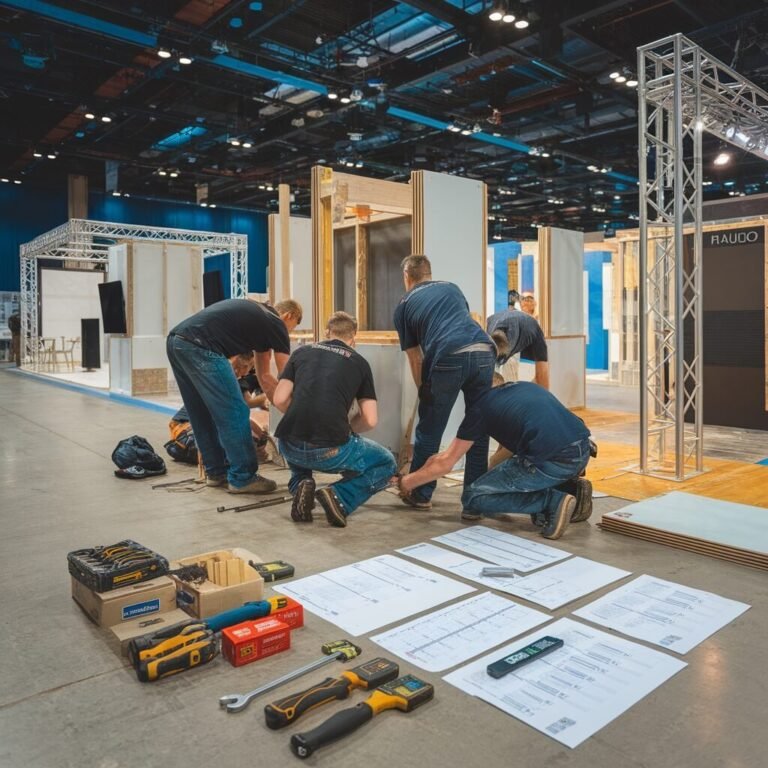
Course in Event Safety Laws and Regulations
The Course in Event Safety Laws and Regulations is a 100% online short course (150 hours, 8 weeks) for anyone who wants to build practical skills in event safety laws and regulations. You learn through practical modules and real case studies, guided by tutors with industry experience.
New intake every two months · Interest-free payment plans · ESINEV certificate of completion (non-accredited training).

Overview
The Course in Event Safety Laws and Regulations prepares you to work with confidence on projects related to Event Safety Laws and Regulations. You will learn to:
- Analyse needs, risks and opportunities.
- Design realistic solutions, plans and procedures.
- Coordinate teams, vendors and resources.
- Define KPIs to measure and improve results.
Studying from Australia
This programme is delivered 100% online in English, so you can study from anywhere in Australia — Sydney, Melbourne, Brisbane, Perth, Adelaide or Auckland — and fit your learning around work. The skills covered apply directly to events across Australia, from conferences and exhibitions to weddings and festivals. Fees are shown in Australian dollars (AUD) and can be spread with interest-free instalments.
About your certificate
ESINEV programmes are non-degree professional training delivered 100% online. On completion you receive an ESINEV certificate of completion. ESINEV is a private online training provider: this programme is not an Australian degree or AQF qualification, and is not accredited by TEQSA or ASQA.
Your learning path
Curriculum
A 150-hour program in 5 modules on the legal framework for event safety: licences, emergency planning, private security, liability and data protection.
Submodule 1.1. Applicable sources of law
Distinguish national, regional and local regulations on shows and activities.
Submodule 1.2. Public entertainment and recreational activities
Understand the legal regime governing events open to the public.
Submodule 1.3. The powers of public authorities
Identify which authority licenses, inspects and enforces each aspect.
Submodule 1.4. The organiser's liability
Understand the legal obligations taken on by whoever organises the event.
Submodule 1.5. International standards and best practice
Learn about references such as ISO 22300 and ISO 20121 applied to events.
Submodule 2.1. Applying for operating licences
Prepare the documentation to apply for licences or submit prior notifications.
Submodule 2.2. Use of public space
Obtain permits for events in streets, squares and public spaces.
Submodule 2.3. Temporary structures and certificates
Gather technical certificates for stages, marquees and grandstands.
Submodule 2.4. Noise, hours and the environment
Comply with noise limits, permitted hours and environmental conditions.
Submodule 2.5. Alcohol sales and food service
Understand the health and licensing requirements for serving drinks at events.
Submodule 3.1. Emergency plans
Determine when they are mandatory and what minimum content they require.
Submodule 3.2. Private security at events
Understand the duties permitted to security officers and door supervisors.
Submodule 3.3. Right of admission
Apply lawful, non-discriminatory admission conditions.
Submodule 3.4. Fire safety
Meet requirements for materials, capacities and fire-fighting equipment.
Submodule 3.5. Coordination with law enforcement
Formalise cooperation with the police and emergency services.
Submodule 4.1. Civil and criminal liability
Distinguish liabilities for harm to attendees or third parties.
Submodule 4.2. Mandatory insurance policies
Determine minimum sums insured and the cover of public liability insurance.
Submodule 4.3. Contracts with security providers
Include clauses on obligations, cover and indemnity.
Submodule 4.4. Occupational health and safety
Coordinate prevention obligations among companies working on site.
Submodule 4.5. Penalties and inspections
Understand common infringements and how to handle an inspection.
Submodule 5.1. Data protection and CCTV
Apply data protection rules to accreditation, cameras and access control.
Submodule 5.2. Accessibility and equality
Guarantee the rights of people with disabilities at the event.
Submodule 5.3. Protection of minors
Comply with restrictions on access and activities for minors.
Submodule 5.4. Consumer rights and ticketing
Manage cancellations, refunds and ticket terms of sale.
Submodule 5.5. Legal compliance checklist
Prepare a pre-event legal checklist.
Prepare an event's legal compliance dossier, including licences, an emergency plan, insurance, contracts and a regulatory checklist.
Career paths
This program strengthens your profile for roles related to Event Safety Laws and Regulations: project coordination, operations, consulting and specialised event services at agencies, venues, hotels and corporate event teams.
Admissions
- Request information
Leave your details and an adviser will contact you.
- Guidance call
We review your profile and career goals.
- Enrolment and access
Secure your place and get access to the campus.
Fees & payment
Indicative instalment. Please confirm payment terms with the admissions team.
Frequently asked questions
Is this an official degree?
On completion you receive an ESINEV certificate. It is not an official degree; recognition can be assessed depending on the programme you complete and local regulations.
How long is it and how many hours?
Duration: 8 weeks. Study load: 150 hours, designed to fit around your work.
Is it taught online?
Yes. It is 100% online, with a virtual campus, downloadable materials and tutoring from industry professionals.
Can I pay in instalments?
Yes. Payment: Up to 5 monthly payments. The admissions team will confirm the terms.
When can I start?
Classes start exactly one month after you enrol: if you enrol today, you start on 28 December 2026. Enrolment is open all year and closes every Friday.
Shall we talk about your future in events?
Leave your details and an adviser will walk you through the programme, dates and payment options.
WhatsApp