Professional Certificate in Interactive Technology for Events
The Professional Certificate in Interactive Technology for Events is a 100% online professional certificate (450 hours, 36 weeks) for anyone who wants to build a career in interactive technology for events. You learn through practical modules and real case studies, guided by tutors with industry experience, and finish with a final project.
New intake every two months · Interest-free payment plans · ESINEV certificate of completion (non-accredited training).
Overview
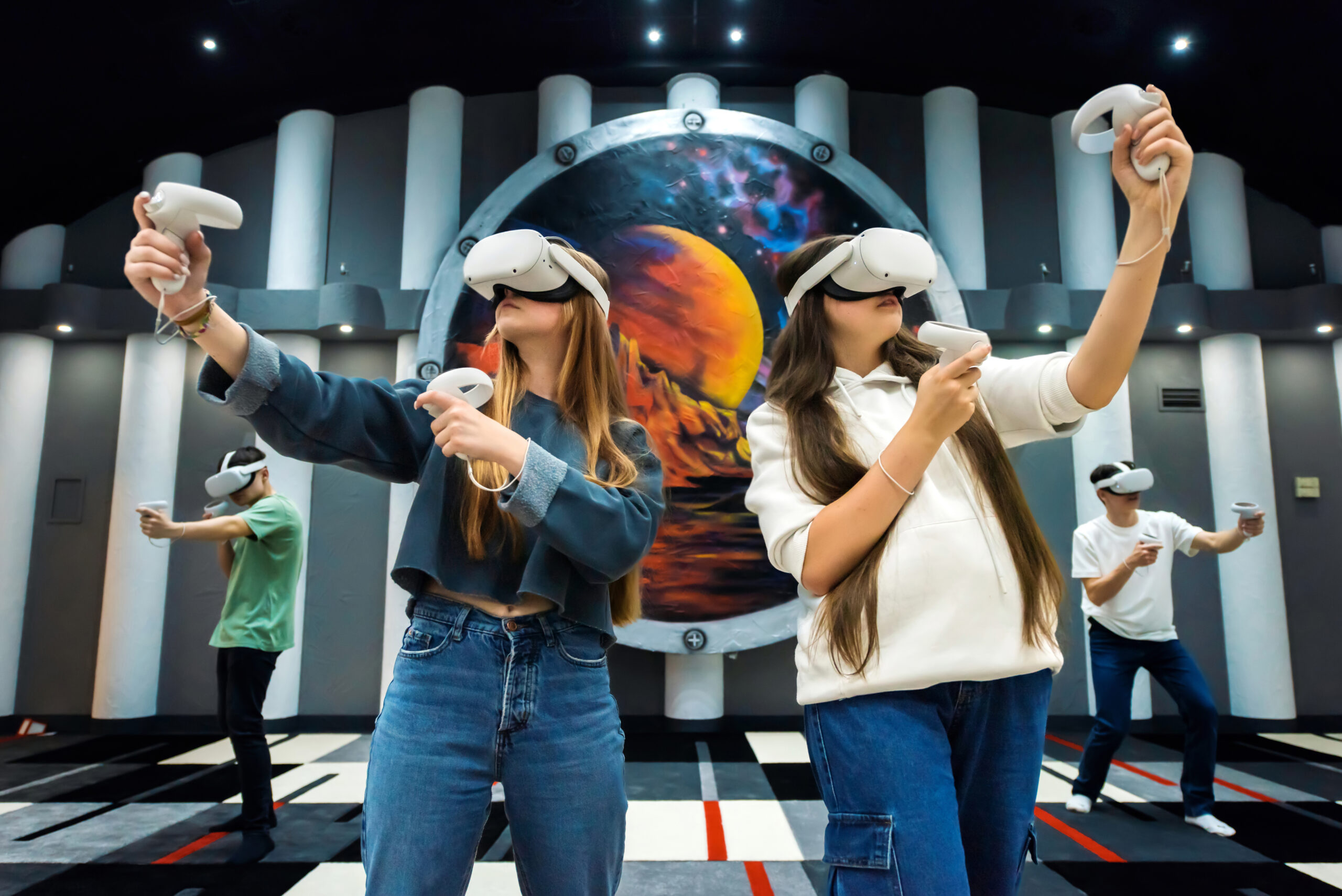
Our Professional Certificate in Interactive Technology for Events is a specialised educational programme that will provide you with the essential skills to take advantage of interactive technology in the planning and execution of events. This professional certificate focuses on giving you a deep understanding of how to use interactive devices and applications to create participatory and engaging experiences at a variety of events, from conferences to trade shows and exhibitions.
Studying from Australia
This programme is delivered 100% online in English, so you can study from anywhere in Australia — Sydney, Melbourne, Brisbane, Perth, Adelaide or Auckland — and fit your learning around work. The skills covered apply directly to events across Australia, from conferences and exhibitions to weddings and festivals. Fees are shown in Australian dollars (AUD) and can be spread with interest-free instalments.
About your certificate
ESINEV programmes are non-degree professional training delivered 100% online. On completion you receive an ESINEV certificate of completion. ESINEV is a private online training provider: this programme is not an Australian degree or AQF qualification, and is not accredited by TEQSA or ASQA.
Your learning path
Curriculum
A 450-hour program in 8 modules on selecting, designing and deploying interactive technologies that increase engagement at events.
Submodule 1.1. Interactivity and attendee participation
Understand how technology makes the audience the star of the event.
Submodule 1.2. Map of event technologies
Classify registration, engagement, networking, immersion and data solutions.
Submodule 1.3. The digital attendee journey
Identify technology touchpoints before, during and after the event.
Submodule 1.4. Objectives and technology selection
Choose technology based on objectives, audience, budget and context.
Submodule 1.5. Trends in event tech
Analyze artificial intelligence, personalization and contactless experiences.
Submodule 1.6. Technology roles
Understand the roles of event tech manager, developer and technical support.
Submodule 1.7. Assessing the client's digital maturity
Evaluate the organizer's resources, digital culture and existing systems.
Submodule 2.1. Registration and ticketing platforms
Set up forms, ticket types and online registration flows.
Submodule 2.2. Accreditation and access control
Implement QR scanning, on-site badge printing and turnstiles.
Submodule 2.3. Facial recognition and self-service
Assess biometric check-in and self-service kiosks and their implications.
Submodule 2.4. RFID and NFC wristbands and cards
Manage access, cashless payments and zone tracking.
Submodule 2.5. Mobile event apps
Design apps with agendas, maps, notifications and attendee profiles.
Submodule 2.6. Personalized agendas and recommendations
Offer itineraries tailored to each attendee's interests.
Submodule 2.7. CRM and marketing integration
Connect registration data to the client's sales systems.
Submodule 3.1. Live voting and polls
Use tools such as Slido or Mentimeter for real-time polls.
Submodule 3.2. Moderated audience questions
Manage digital Q&A sessions with efficient moderation.
Submodule 3.3. Social walls and user-generated content
Display attendee posts on screens with moderation filters.
Submodule 3.4. Event gamification
Design challenges, points and leaderboards that drive participation.
Submodule 3.5. Interactive contests and trivia
Run live games connected to the audience's phones.
Submodule 3.6. Activities for hybrid events
Balance interaction between in-person and remote audiences.
Submodule 3.7. Measuring participation
Analyze response rates, interaction and satisfaction in sessions.
Submodule 4.1. Touchscreens and interactive tables
Design useful touch content for stands and exhibition areas.
Submodule 4.2. Motion sensors and interactive projection
Create floors and walls that react to people's movement.
Submodule 4.3. Photo booths and smart booths
Deploy photo, GIF and video booths with instant sharing.
Submodule 4.4. Robotics and eye-catching devices
Assess robots, indoor drones and other attention-grabbing devices.
Submodule 4.5. Multimodal sensory experiences
Combine light, sound, scent and touch in interactive installations.
Submodule 4.6. Prototyping with Arduino and TouchDesigner
Get to know tools for prototyping interactive installations.
Submodule 4.7. Designing brand activations
Turn brand messages into participatory physical experiences.
Submodule 5.1. Matchmaking and business meetings
Arrange meetings between attendees using affinity algorithms.
Submodule 5.2. Contact scanning and lead capture
Help exhibitors capture and qualify leads.
Submodule 5.3. Chatbots and virtual assistants
Answer attendee questions with conversational assistants.
Submodule 5.4. Artificial intelligence applied to events
Use AI for translation, recommendations, content and analysis.
Submodule 5.5. Heat maps and footfall analytics
Measure flows and space occupancy with sensors and beacons.
Submodule 5.6. Event dashboards
Visualize attendance and engagement indicators in real time.
Submodule 5.7. Post-event analytics and return
Turn the data collected into insights and return on investment.
Submodule 6.1. High-density Wi-Fi
Size wireless networks for thousands of simultaneous devices.
Submodule 6.2. Systems integration and APIs
Connect platforms through integrations and application programming interfaces.
Submodule 6.3. Event hardware and logistics
Plan the rental, configuration and transport of devices.
Submodule 6.4. Load testing and rehearsals
Verify platform performance before event day.
Submodule 6.5. On-site technical support
Set up help desks and incident response teams.
Submodule 6.6. Technology contingency plans
Prepare manual alternatives in case critical systems fail.
Submodule 6.7. Digital accessibility
Ensure apps and experiences can be used by everyone.
Submodule 7.1. Event technology budget
Cost licenses, hardware, development, staff and support.
Submodule 7.2. Selecting and contracting suppliers
Compare solutions using technical, financial and service criteria.
Submodule 7.3. Data protection and consent
Comply with regulations on collecting, sharing and processing data.
Submodule 7.4. Cybersecurity on event platforms
Prevent fraud, unauthorized access and data leaks.
Submodule 7.5. Ethics in the use of AI and biometrics
Apply principles of transparency and technological proportionality.
Submodule 7.6. Technology and reducing environmental impact
Replace paper and physical materials with efficient digital solutions.
Submodule 7.7. Explaining technology to attendees
Explain how to use the tools to maximize adoption.
Submodule 8.1. Assessing the event and audience
Analyze the case and define the project's engagement objectives.
Submodule 8.2. The project's technology architecture
Select and integrate solutions for the entire attendee journey.
Submodule 8.3. Designing an interactive activation
Conceive a central interactive experience for the event.
Submodule 8.4. Data and privacy plan
Define what data is collected, how it is protected and what it is used for.
Submodule 8.5. Operational and contingency plan
Detail infrastructure, technical support and fallback options.
Submodule 8.6. Project budget and KPIs
Finalize costs and indicators to measure the technology's impact.
Submodule 8.7. Presenting and defending the project
Present the proposed ecosystem and justify each technology choice.
Design the interactive technology ecosystem for an event, including the solution architecture, a central activation, a data plan, a budget and KPIs.
How you learn
Virtual campus available 24/7 on any device.
Personal follow-up and feedback on your work.
Flexible schedule that fits around your job.
Apply what you learn to a real events case.
Nearby You will get the support of our highly trained teachers, who will expedite your academic development, as well as the guidance of a backup mentor to assist you in achieving your goals.
Practical Our academic virtual space will be your main educational platform, where you will find all the programs you will take. In addition, you will have access to the electronic library, an online society to interact with other trainees and support accessible at all times.
Career paths
• Interactive technology development companies
• Museums and interactive exhibitions
• Experiential marketing companies
• Start your own interactive technology business for events
Admissions
- Request information
Leave your details and an adviser will contact you.
- Guidance call
We review your profile and career goals.
- Enrolment and access
Secure your place and get access to the campus.
Fees & payment
Indicative instalment. Please confirm payment terms with the admissions team.
At Esinev Education in collaboration with ISEIE Innovation School, we are dedicated to ensuring your future by offering you a wide range of scholarships and financial aid so that you can receive the best education without obstacles. Our scholarships and grants are available to everyone, regardless of your profile, as we have various options to adapt to your personal circumstances. Explore all the information about our scholarships and aid, and choose the one that best suits your needs to ensure your academic training.
Academic excellence The scholarship for Students with an outstanding academic record is awarded to those students who have demonstrated outstanding performance in their studies. This scholarship recognises and rewards the effort, dedication and academic achievements of outstanding students.
Scholarship for people over 45 The scholarship for People over 45 is a unique opportunity designed specifically for people who want to resume their higher studies after having passed a certain stage of their life. This scholarship is aimed at those individuals who, despite not having had the opportunity to obtain a university education at the time, wish to acquire new knowledge and skills to advance their career or explore new professional horizons.
Scholarship for those under 25 The scholarship for young people under 25 is designed to support this specific age group in their pursuit of higher education. This scholarship provides opportunities and financial resources to help young people overcome economic barriers and access quality education. We value the potential and commitment of young people in their academic and professional development, which is why this scholarship is awarded to those who demonstrate outstanding academic performance, as well as strong motivation and dedication to achieve their educational goals. We are committed to supporting talented young people and providing them with the necessary tools so they can make the most of their potential and achieve a successful future.
Woman Leader Scholarship The “Women and Leadership” scholarship is designed to support and empower women who demonstrate strong leadership potential in their fields of study. This scholarship offers the opportunity to receive a quality education and develop leadership skills to help women excel in their careers and challenge gender stereotypes.
Entrepreneurship Scholarships The scholarship is aimed at those people who are working on projects or ventures that seek to generate a positive impact on the world. It is designed to support those individuals committed to making the world a better place through their initiatives.
Large Family The scholarship is specially designed for those students who belong to a large family, recognising and supporting the special circumstances they face in terms of financial resources and family responsibilities.
Self-Employed Scholarship The “Self-Employed Scholarship” is financial aid designed to support entrepreneurs and self-employed workers in their professional development and business growth. This scholarship offers financial support to cover expenses related to the training, advice and resources necessary to strengthen your business skills and competencies.
Job integration scholarship (for unemployed) The job integration scholarship is specifically designed to help unemployed people reintegrate into the labour market. This scholarship provides additional financial support and resources to ease the transition to new employment.
Frequently asked questions
Is this an official degree?
On completion you receive an ESINEV certificate. It is not an official degree; recognition can be assessed depending on the programme you complete and local regulations.
How long is it and how many hours?
Duration: 36 weeks. Study load: 450 hours, designed to fit around your work.
Is it taught online?
Yes. It is 100% online, with a virtual campus, downloadable materials and tutoring from industry professionals.
Can I pay in instalments?
Yes. Payment: 5 months. The admissions team will confirm the terms.
When can I start?
New intakes open every two months. Request information to secure a place in the next one.
Shall we talk about your future in events?
Leave your details and an adviser will walk you through the programme, dates and payment options.
WhatsApp