
Advanced Professional Certificate in Technology and Stage Design for Events
The Advanced Professional Certificate in Technology and Stage Design for Events is a 100% online advanced professional certificate programme (1,500 hours, 12 months) for anyone who wants to build a career in technology and stage design for events. You learn through practical modules and real case studies, guided by tutors with industry experience, and finish with a capstone project.
New intake every two months · Interest-free payment plans · ESINEV certificate of completion (non-accredited training).
Overview
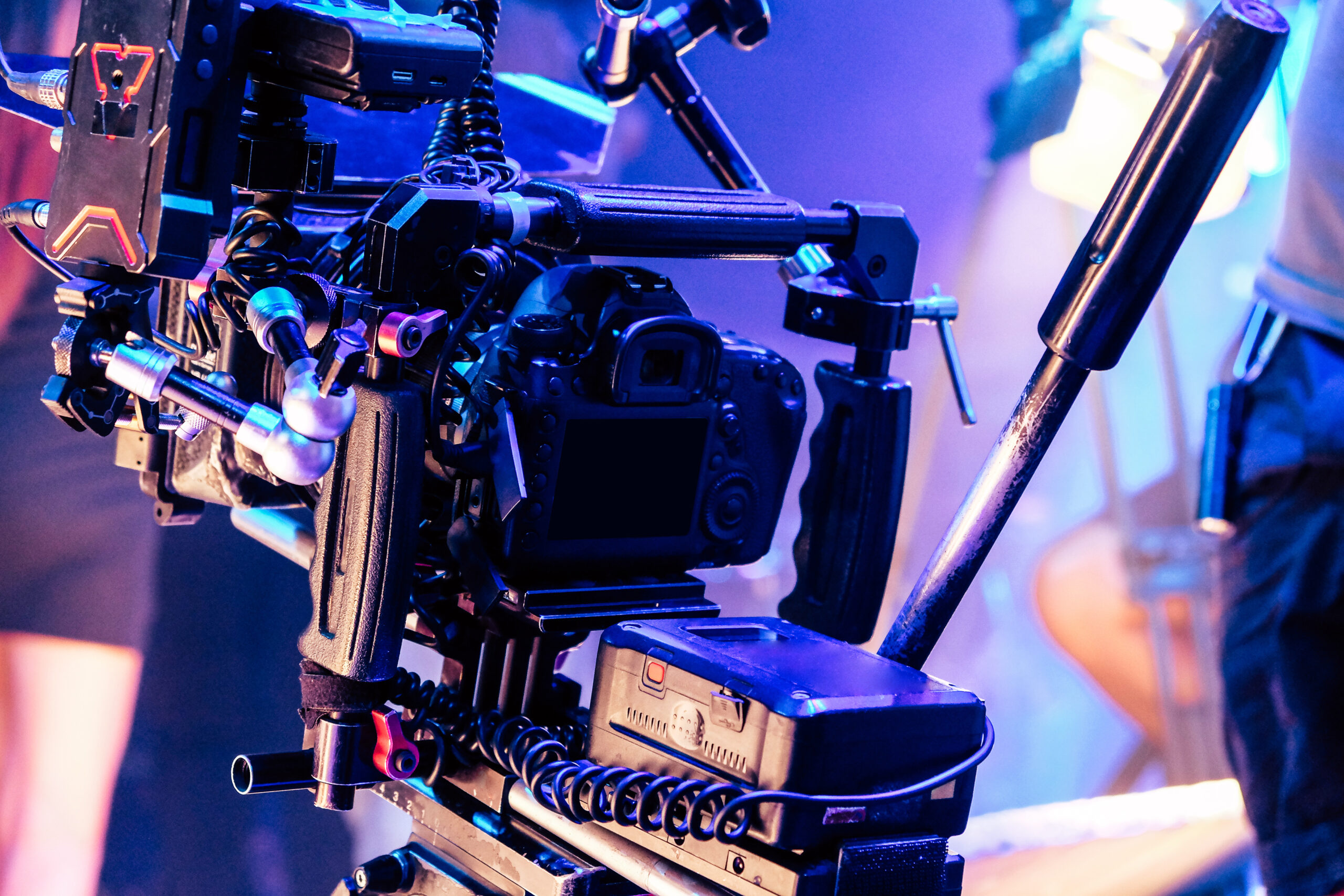
• Event technology: You will develop skills in the use of multimedia technology, lighting, sound and projection at events.
• Immersive experiences: You will master the creation of immersive experiences that captivate attendees.
• Production management: You will gain knowledge about the logistics and execution of the production of scenarios for events.
• Space design: You will learn how to transform event spaces into attractive and functional environments.
• Creative event management: You will develop skills for planning and executing events that surprise and delight.
Our Advanced Professional Certificate in Technology and Stage Design for Events is a advanced professional programme designed to train professionals in the planning and creation of innovative stages and immersive experiences at events. This advanced professional certificate programme focuses on the use of advanced technology and creative design to transform event spaces into unforgettable environments. Students gain a deep understanding of stage technology, experience design, and production management for events of all types.
Studying from Australia
This programme is delivered 100% online in English, so you can study from anywhere in Australia — Sydney, Melbourne, Brisbane, Perth, Adelaide or Auckland — and fit your learning around work. The skills covered apply directly to events across Australia, from conferences and exhibitions to weddings and festivals. Fees are shown in Australian dollars (AUD) and can be spread with interest-free instalments.
About your certificate
ESINEV programmes are non-degree professional training delivered 100% online. On completion you receive an ESINEV certificate of completion. ESINEV is a private online training provider: this programme is not an Australian degree or AQF qualification, and is not accredited by TEQSA or ASQA.
Your learning path
Curriculum
A 1,500-hour program organized into 10 modules that combine set design, technical engineering and production management for live event stages.
Submodule 1.1. History and evolution of live set design
Traces the evolution of the stage from classical theater to today's large-scale events.
Submodule 1.2. Stage types and audience configurations
Compares proscenium, arena, runway and 360-degree stages according to capacity and sightlines.
Submodule 1.3. Reading the brief and the staging concept
Translates the client's objectives into a coherent, defensible staging concept.
Submodule 1.4. Composition, scale and proportion in space
Applies principles of visual composition to balance stage, screens and audience.
Submodule 1.5. Sightlines and camera angles
Calculates audience sightlines and camera positions to avoid blind spots.
Submodule 1.6. Spatial narrative and the audience journey
Designs the attendee experience from entry to the main focal point.
Submodule 1.7. Mood boards and visual references
Builds reference boards to align aesthetics, materials and palette with the client.
Submodule 1.8. Roles in the design and technical production team
Identifies the roles of set designer, technical director, rigger and production manager.
Submodule 1.9. Technical stage terminology
Masters the professional vocabulary of staging, stage machinery, lighting and audiovisual equipment.
Submodule 1.10. Case studies of iconic stages
Analyzes tour and conference stages to identify replicable design decisions.
Submodule 2.1. Floor plans, elevations and sections
Produces clear technical drawings with scales, dimensions and standard symbols.
Submodule 2.2. 2D design with AutoCAD and Vectorworks Spotlight
Draws stage and rigging plans using industry-standard CAD tools.
Submodule 2.3. 3D stage modeling with SketchUp
Models set volumes and structures to validate proportions with the client.
Submodule 2.4. Visualization with Cinema 4D and Blender
Generates photorealistic views of the stage with materials, lights and virtual cameras.
Submodule 2.5. Lighting previsualization with Capture and WYSIWYG
Simulates lighting rigs and scenes to pre-program before load-in.
Submodule 2.6. Object libraries and technical symbols
Manages libraries of truss, fixtures, speakers and screens to speed up design.
Submodule 2.7. Renders and client presentations
Prepares persuasive visual presentations with renders, walkthroughs and technical sheets.
Submodule 2.8. Managing drawing layers and versions
Organizes layers, revisions and change control in collaborative projects.
Submodule 2.9. Venue scanning and surveying
Obtains accurate measurements of the space using laser tools, photogrammetry and existing plans.
Submodule 2.10. Technical documentation for suppliers
Prepares drawing packages and lists for fabrication and equipment rental.
Submodule 3.1. Types of truss and staging systems
Selects truss, modular staging and risers according to span, load and height.
Submodule 3.2. Calculating loads and rigging points
Calculates point and distributed loads to define safe rigging points.
Submodule 3.3. Motors, hoists and controllers
Covers chain motors, controllers and D8 and D8 Plus lifting systems.
Submodule 3.4. Rigging plan and coordination with the venue
Prepares the rigging plot and validates it with the venue's technical management.
Submodule 3.5. Temporary structures and safety regulations
Applies regulations on temporary structures and the required installation certificates.
Submodule 3.6. Outdoor stages and wind loads
Assesses ballast, roofs and wind protocols for open-air stages.
Submodule 3.7. Stage machinery and moving elements
Integrates lifts, revolves and motorized bars into the stage design.
Submodule 3.8. Stage automation with Kinesys and similar systems
Programs automated element movements with speed and position control.
Submodule 3.9. Inspection and maintenance of lifting equipment
Plans periodic inspections and records for lifting equipment and slings.
Submodule 3.10. Working at height and protective equipment
Defines protocols for working at height, lifelines and mandatory PPE.
Submodule 4.1. Fundamentals of light, color and temperature
Explains intensity, color temperature and color rendering index as applied to the stage.
Submodule 4.2. Types of fixtures and moving heads
Compares profiles, washes, beams and LED moving heads according to stage use.
Submodule 4.3. Designing the lighting plot
Prepares the lighting plot with positions, channels and DMX addressing.
Submodule 4.4. DMX512, Art-Net and sACN protocols
Configures lighting control networks and resolves addressing conflicts.
Submodule 4.5. Programming on grandMA and Avolites consoles
Programs cues, presets and effects on professional lighting consoles.
Submodule 4.6. Lighting for camera and streaming
Adjusts levels and color temperature for proper broadcast capture.
Submodule 4.7. Atmospheric effects: smoke, haze and CO2
Integrates atmospheric effects while respecting the venue's fire detection systems.
Submodule 4.8. Timecode and show synchronization
Synchronizes lighting with audio and video using SMPTE timecode and MIDI.
Submodule 4.9. Energy efficiency in LED lighting
Reduces consumption and heat load by selecting LED sources and planning power requirements.
Submodule 4.10. Architectural and ambient lighting
Lights facades, entrances and hospitality areas consistently with the staging concept.
Submodule 5.1. Venue acoustics for events
Analyzes reverberation, reflections and isolation to anticipate intelligibility problems.
Submodule 5.2. Line array and point source systems
Selects and designs sound reinforcement systems according to coverage and capacity.
Submodule 5.3. Acoustic prediction with simulation software
Simulates coverage and sound pressure levels with tools such as EASE Focus.
Submodule 5.4. Digital consoles and signal flow
Configures digital consoles, scenes and signal routing for conferences and shows.
Submodule 5.5. Microphones and radio frequency management
Coordinates wireless microphone and intercom frequencies to avoid interference.
Submodule 5.6. Dante and AVB audio networks
Designs digital audio networks with redundancy and latency management.
Submodule 5.7. In-ear and stage monitoring
Plans monitor systems for speakers, performers and presenters.
Submodule 5.8. Sound level control and regulations
Applies sound exposure limits and measurement protocols during the event.
Submodule 5.9. System alignment and equalization
Aligns subwoofers and arrays with analyzers such as Smaart for an even response.
Submodule 5.10. Audio for simultaneous interpretation and streaming
Integrates interpretation booths and clean audio feeds for broadcast.
Submodule 6.1. LED screen technology and pixel pitch
Chooses LED screens according to pitch, brightness, viewing distance and format.
Submodule 6.2. Projection and video mapping
Plans projectors, lenses and overlaps for mapping onto set surfaces.
Submodule 6.3. Media servers: disguise, Resolume and Watchout
Manages content and video outputs with professional media servers.
Submodule 6.4. Signal processing and scalers
Configures processors, switchers and scalers for multi-source signals.
Submodule 6.5. Content design for non-standard formats
Creates content templates adapted to irregular screen resolutions and shapes.
Submodule 6.6. Live multi-camera direction
Coordinates cameras, vision mixer and IMAG for in-room screens and broadcast.
Submodule 6.7. XR stages and virtual production
Integrates LED screens, camera tracking and real-time graphics engines.
Submodule 6.8. Presentation systems and confidence monitors
Installs cue lights, teleprompters and confidence monitors for speakers.
Submodule 6.9. Color management and screen calibration
Calibrates screens and projectors to maintain color consistency on camera.
Submodule 6.10. Rights and management of audiovisual content
Controls licenses for images, music and videos used on stage.
Submodule 7.1. Power calculation and phase balancing
Calculates total consumption and distributes balanced loads across available phases.
Submodule 7.2. Generators and temporary power supply
Sizes generators, redundancy and fuel consumption for events.
Submodule 7.3. Power distribution and stage distribution boards
Plans distribution boards, protection and cable runs in line with applicable low-voltage regulations.
Submodule 7.4. Grounding and electrical safety
Applies grounding and residual current protection measures in temporary installations.
Submodule 7.5. Data networks for technical production
Designs networks with VLANs and fiber for lighting, audio and video control.
Submodule 7.6. Wi-Fi and 5G connectivity for attendees
Sizes wireless connectivity according to capacity and digital services.
Submodule 7.7. Cable management and cable protectors
Organizes safe, labeled cable runs that remain accessible for maintenance.
Submodule 7.8. Uninterruptible power supplies
Protects critical equipment with UPS systems and switchover plans for outages.
Submodule 7.9. Batteries and renewable energy at events
Assesses battery and solar solutions to reduce dependence on diesel generators.
Submodule 7.10. Documenting infrastructure schematics
Prepares single-line diagrams and network diagrams for the technical team.
Submodule 8.1. Technical rider and requirements sheet
Interprets performer and speaker riders and turns them into equipment lists.
Submodule 8.2. Planning load-in and load-out
Builds realistic schedules for loading, setup, testing and teardown.
Submodule 8.3. Truck loading logistics and access
Coordinates loading docks, unloading slots and supplier arrival order.
Submodule 8.4. Technical rehearsals and dress rehearsal
Organizes department tests and full run-throughs before doors open.
Submodule 8.5. Run of show and technical script
Writes running orders with lighting, sound, video and scenic movement cues.
Submodule 8.6. Stage management and calling cues
Calls the show from the stage manager's desk, coordinating departments via intercom.
Submodule 8.7. Managing stage changeovers
Plans quick changeovers between segments with appropriate crew and signaling.
Submodule 8.8. Coordinating supplier teams
Leads technical meetings and resolves clashes between suppliers during setup.
Submodule 8.9. Resolving live incidents
Applies backup protocols and makes fast decisions when technical failures occur live.
Submodule 8.10. Technical wrap-up and post-event report
Documents incidents, consumption and lessons learned after teardown.
Submodule 9.1. Entertainment regulations and permits
Reviews permit requirements, capacity limits and the technical documentation required by the authorities.
Submodule 9.2. Technical risk assessment
Identifies hazards during setup, operation and teardown and defines preventive measures.
Submodule 9.3. Coordinating contractor activities
Manages health and safety coordination between companies working in the same venue.
Submodule 9.4. Evacuation plan and emergency exits
Integrates the stage into the venue's emergency plan without blocking evacuation routes.
Submodule 9.5. Fire-retardant materials and certificates
Requires fire-reaction ratings and certificates for set materials.
Submodule 9.6. Itemized technical budget
Prepares detailed budgets for equipment, staff, transport and contingencies.
Submodule 9.7. Negotiating with technical suppliers
Compares quotes, defines scopes and negotiates rental and service terms.
Submodule 9.8. Insurance and public liability
Determines the coverage needed for equipment, staff and third parties at the event.
Submodule 9.9. Circular and reusable set design
Designs modular, reusable elements to reduce waste from each production.
Submodule 9.10. Measuring the technical carbon footprint
Calculates emissions associated with the stage's energy, transport and materials.
Submodule 10.1. The role of the event technical director
Takes on technical leadership, decision-making and client communication responsibilities.
Submodule 10.2. Managing multidisciplinary technical teams
Organizes shifts, roles and communication for lighting, sound and video teams.
Submodule 10.3. Trends in stage technology
Assesses augmented reality, holography and stage robotics as applied to events.
Submodule 10.4. Interactivity and sensors on stage
Integrates sensors, tracking and generative content that react to the audience.
Submodule 10.5. Project management with agile methodologies
Applies planning and tracking tools to complex technical projects.
Submodule 10.6. Technical quality indicators
Defines quality, punctuality and cost KPIs to evaluate the production.
Submodule 10.7. Accessibility in stage design
Incorporates ramps, hearing loops, captioning and interpreters into the design.
Submodule 10.8. Technical proposals for competitions and tenders
Writes competitive technical proposals for public and private tenders.
Submodule 10.9. Presenting and defending the project
Structures the defense of the stage design before a client, committee or assessment panel.
Submodule 10.10. Developing the integrated stage project
Brings together design, technology, budget and safety in a complete stage project.
Complete design and technical direction of a stage for a real or simulated large-scale event, with 3D drawings, a rigging plan, lighting, sound and video design, a budget, a risk assessment and indicators, defended before an assessment panel.
How you learn
Virtual campus available 24/7 on any device.
Personal follow-up and feedback on your work.
Flexible schedule that fits around your job.
Apply what you learn to a real events case.
Nearby You will get the support of our highly trained teachers, who will expedite your academic development, as well as the guidance of a backup mentor to assist you in achieving your goals.
Practical Our academic virtual space will be your main educational platform, where you will find all the programs you will take. In addition, you will have access to the electronic library, an online society to interact with other trainees and support accessible at all times.
Career paths
• Event technology specialists: Some choose to work as event technology specialists, managing projection, lighting and sound systems.
• Experience designers: They can also work as experience designers who transform spaces into immersive environments.
• Stage Production Managers: Others choose to work in stage production management for live events.
• Creative Event Planners: Some graduates excel at planning and executing events that integrate technology and stage design.
Admissions
- Request information
Leave your details and an adviser will contact you.
- Guidance call
We review your profile and career goals.
- Enrolment and access
Secure your place and get access to the campus.
Fees & payment
Indicative instalment. Please confirm payment terms with the admissions team.
At Esinev Education in collaboration with ISEIE Innovation School, we are dedicated to ensuring your future by offering you a wide range of scholarships and financial aid so that you can receive the best education without obstacles. Our scholarships and grants are available to everyone, regardless of your profile, as we have various options to adapt to your personal circumstances. Explore all the information about our scholarships and aid, and choose the one that best suits your needs to ensure your academic training.
Academic excellence The scholarship for Students with an outstanding academic record is awarded to those students who have demonstrated outstanding performance in their studies. This scholarship recognises and rewards the effort, dedication and academic achievements of outstanding students.
Scholarship for people over 45 The scholarship for People over 45 is a unique opportunity designed specifically for people who want to resume their higher studies after having passed a certain stage of their life. This scholarship is aimed at those individuals who, despite not having had the opportunity to obtain a university education at the time, wish to acquire new knowledge and skills to advance their career or explore new professional horizons.
Scholarship for those under 25 The scholarship for young people under 25 is designed to support this specific age group in their pursuit of higher education. This scholarship provides opportunities and financial resources to help young people overcome economic barriers and access quality education. We value the potential and commitment of young people in their academic and professional development, which is why this scholarship is awarded to those who demonstrate outstanding academic performance, as well as strong motivation and dedication to achieve their educational goals. We are committed to supporting talented young people and providing them with the necessary tools so they can make the most of their potential and achieve a successful future.
Woman Leader Scholarship The “Women and Leadership” scholarship is designed to support and empower women who demonstrate strong leadership potential in their fields of study. This scholarship offers the opportunity to receive a quality education and develop leadership skills to help women excel in their careers and challenge gender stereotypes.
Entrepreneurship Scholarships The scholarship is aimed at those people who are working on projects or ventures that seek to generate a positive impact on the world. It is designed to support those individuals committed to making the world a better place through their initiatives.
Large Family The scholarship is specially designed for those students who belong to a large family, recognising and supporting the special circumstances they face in terms of financial resources and family responsibilities.
Self-Employed Scholarship The “Self-Employed Scholarship” is financial aid designed to support entrepreneurs and self-employed workers in their professional development and business growth. This scholarship offers financial support to cover expenses related to the training, advice and resources necessary to strengthen your business skills and competencies.
Job integration scholarship (for unemployed) The job integration scholarship is specifically designed to help unemployed people reintegrate into the labour market. This scholarship provides additional financial support and resources to ease the transition to new employment.
Frequently asked questions
Is this an official degree?
On completion you receive an ESINEV certificate. It is not an official degree; recognition can be assessed depending on the programme you complete and local regulations.
How long is it and how many hours?
Duration: 12 months. Study load: 1,500 hours, designed to fit around your work.
Is it taught online?
Yes. It is 100% online, with a virtual campus, downloadable materials and tutoring from industry professionals.
Can I pay in instalments?
Yes. Payment: 11 months. The admissions team will confirm the terms.
When can I start?
New intakes open every two months. Request information to secure a place in the next one.
Shall we talk about your future in events?
Leave your details and an adviser will walk you through the programme, dates and payment options.
WhatsAppRelated programmes
 Advanced Professional Certificate in Regulations and Legal Compliance for the Events Industry$10,559
 Advanced Professional Certificate in Catering and Food Service Management$10,679
 Advanced Professional Certificate in Event Data & Revenue Intelligence$9,359
 Advanced Professional Certificate in Event Insurance$8,399