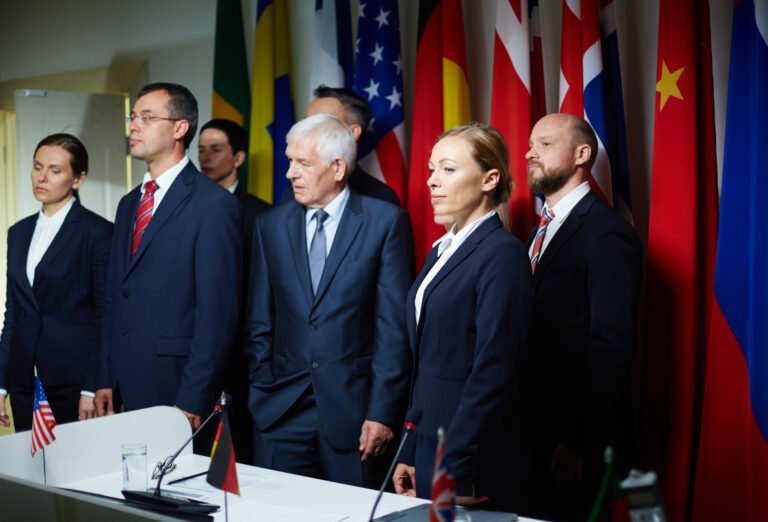
Advanced Professional Certificate in Corporate Event Organisation
The Advanced Professional Certificate in Corporate Event Organisation is a 100% online advanced professional certificate programme (1,500 hours, 12 months) for anyone who wants to build a career in corporate event organisation. You learn through practical modules and real case studies, guided by tutors with industry experience, and finish with a capstone project.
New intake every two months · Interest-free payment plans · ESINEV certificate of completion (non-accredited training).

Overview
Our Advanced Professional Certificate in Corporate Event Organisation is a advanced professional programme designed to train expert professionals in the planning and execution of corporate events, as well as in the management of business protocol.
This Advanced Professional Certificate in Corporate Event Organisation provides a deep and complete insight into the critical aspects related to the organisation of business events, from conferences and product launches to high-level meetings and corporate celebrations. In addition, it focuses on the importance of business protocol and good practices in the corporate world.
Studying from Australia
This programme is delivered 100% online in English, so you can study from anywhere in Australia — Sydney, Melbourne, Brisbane, Perth, Adelaide or Auckland — and fit your learning around work. The skills covered apply directly to events across Australia, from conferences and exhibitions to weddings and festivals. Fees are shown in Australian dollars (AUD) and can be spread with interest-free instalments.
About your certificate
ESINEV programmes are non-degree professional training delivered 100% online. On completion you receive an ESINEV certificate of completion. ESINEV is a private online training provider: this programme is not an Australian degree or AQF qualification, and is not accredited by TEQSA or ASQA.
Your learning path
Curriculum
A 1,500-hour program structured in 10 modules that combine corporate event management with business and institutional protocol. It brings together strategy, operations, ceremonial and measurement of results.
Submodule 1.1. Types of corporate events
Distinguish conventions, shareholder meetings, launches, incentives and internal events by their business objectives.
Submodule 1.2. The event as a communication tool
Analyze how events reinforce brand strategy and company culture.
Submodule 1.3. Stakeholders and target audiences
Identify shareholders, employees, clients, press and authorities as audiences with different needs.
Submodule 1.4. The MICE industry in figures
Review the size, trends and main players of the meetings and incentives market.
Submodule 1.5. Corporate event team roles
Define the duties of the event manager, coordinator, head of protocol and key suppliers.
Submodule 1.6. Corporate briefing and requirements gathering
Learn to extract the objectives, constraints and expectations of internal or external clients.
Submodule 1.7. SMART objectives applied to events
Write measurable objectives that link the event to specific business results.
Submodule 1.8. The corporate event lifecycle
Work through the stages of conception, planning, execution, close-out and post-event evaluation.
Submodule 1.9. Ethics and compliance at corporate events
Apply anti-corruption, corporate gift and conflict of interest policies in event organization.
Submodule 1.10. Current trends in corporate events
Explore hybrid formats, immersive experiences, wellbeing and personalization at scale.
Submodule 2.1. Principles of protocol and ceremonial
Understand protocol as a system of order, respect and communication.
Submodule 2.2. Differences between official and business protocol
Compare official regulations with the internal rules that apply in private companies.
Submodule 2.3. Corporate protocol manual
Prepare an internal manual with criteria for precedence, image and guest treatment.
Submodule 2.4. Order of precedence in the company
Set the order of dignitaries and executives by position, seniority and importance.
Submodule 2.5. Head tables and seating systems
Apply alternating and linear systems for presiding over events, tables and platforms.
Submodule 2.6. Forms of address and courtesy formulas
Correctly use titles, honorifics and written and spoken formulas.
Submodule 2.7. Flags, anthems and corporate symbols
Arrange official and corporate flags and manage the display of institutional symbols.
Submodule 2.8. Dignitaries at private events
Manage the invitation, reception and seating of public officials at corporate events.
Submodule 2.9. Etiquette and dress code
Define and communicate dress codes appropriate to each type of corporate event.
Submodule 2.10. Protocol in written communication
Draft invitations, formal notes, place cards and protocol letters in the correct format.
Submodule 3.1. Preliminary research and context analysis
Analyze the audience, competitors and environment to support the event's creative decisions.
Submodule 3.2. Creative concept and storytelling
Build a narrative thread that gives coherence to the content, set design and communication.
Submodule 3.3. Designing the attendee experience
Map the guest journey from invitation to post-event follow-up.
Submodule 3.4. Choosing format and duration
Decide between in-person, hybrid or virtual formats according to objectives and budget.
Submodule 3.5. Designing the agenda and content
Structure sessions, talks, breaks and networking to hold the audience's attention.
Submodule 3.6. Choosing the venue and spaces
Evaluate venues by capacity, accessibility, image, technical services and location.
Submodule 3.7. Set design and brand image
Integrate corporate visual identity into stages, signage and decorative elements.
Submodule 3.8. Value proposition for sponsors
Design sponsorship packages consistent with the event's objectives and audiences.
Submodule 3.9. Presenting the proposal to the client
Prepare and defend a creative and technical proposal before the management committee.
Submodule 3.10. Prototyping and validating the concept
Test key ideas with users or executives before committing resources.
Submodule 4.1. Work breakdown structure
Divide the event into work packages that can be assigned, measured and controlled.
Submodule 4.2. Schedules and Gantt charts
Build timelines with dependencies, milestones and the project's critical path.
Submodule 4.3. Digital event management tools
Use project management platforms and event-specific software.
Submodule 4.4. RACI responsibility matrix
Assign who is responsible, accountable, consulted and informed for each key task.
Submodule 4.5. Supplier management and tenders
Prepare specifications, compare bids and select suppliers using objective criteria.
Submodule 4.6. Contracting and negotiating with venues
Negotiate rates, occupancy guarantees, cancellation clauses and included services.
Submodule 4.7. Staff planning
Size hosts, technicians, security and support staff according to attendance.
Submodule 4.8. Project change control
Manage client changes without losing control of deadlines or budget.
Submodule 4.9. Internal team communication
Set up meetings, status reports and effective coordination channels.
Submodule 4.10. Event technical documentation
Prepare the production book, technical riders and site plans.
Submodule 5.1. Preparing an event budget
Estimate line items for venue, production, catering, transport, staff and contingencies.
Submodule 5.2. Event funding models
Combine in-house budget, sponsorship, registration fees and available grants.
Submodule 5.3. Budget control and variances
Track actual spending against forecast and correct variances in time.
Submodule 5.4. Basic event taxation
Learn the treatment of indirect taxes and invoicing in event services.
Submodule 5.5. Managing payments and deposits
Organize supplier payment schedules and control deposits and guarantees.
Submodule 5.6. Calculating the break-even point
Determine the number of attendees or sponsorships needed to cover costs.
Submodule 5.7. Negotiating sponsorships
Prepare pitches and measurable benefits to close sponsorship deals.
Submodule 5.8. Corporate travel policy
Apply company travel policies to attendee travel and accommodation.
Submodule 5.9. Managing incentives and awards
Design incentive trips and recognition aligned with sales objectives.
Submodule 5.10. Financial close-out
Prepare the final balance, invoice reconciliation and the event's financial report.
Submodule 6.1. Build and breakdown
Plan timings, loading access and the build sequence with suppliers.
Submodule 6.2. Audiovisual and technical production
Coordinate sound, lighting, video and streaming according to the technical rider.
Submodule 6.3. Running order and event script
Write the minute-by-minute running order with speeches, cues and technical changes.
Submodule 6.4. Accreditation and access control
Implement registration, accreditation and real-time capacity control systems.
Submodule 6.5. Managing speakers and VIPs
Coordinate arrival, rehearsals, green rooms and care of speakers and guests of honor.
Submodule 6.6. Coordinating corporate catering
Plan coffee breaks, lunches and gala dinners according to format and restrictions.
Submodule 6.7. Transport and transfer logistics
Organize attendee transfers, airport transfers and movements between venues.
Submodule 6.8. Team operational briefing
Prepare and lead the pre-event meeting with all staff and suppliers.
Submodule 6.9. Managing live incidents
Resolve technical, agenda or guest issues using defined protocols.
Submodule 6.10. Dress rehearsal and final checklist
Check every element of the event through a technical rehearsal and checklists.
Submodule 7.1. Annual general meetings
Organize the logistics, agenda and chairing of shareholder meetings.
Submodule 7.2. Openings and groundbreakings
Design the ceremonial for openings with dignitaries, speeches and plaque unveilings.
Submodule 7.3. Signing agreements
Prepare signing tables, the speaking order and photo coverage of the ceremony.
Submodule 7.4. Award ceremonies and galas
Structure galas with hosting, award presentations and time control.
Submodule 7.5. Official visits to the company
Plan routes, reception and escorting of dignitaries at corporate facilities.
Submodule 7.6. Business lunches and dinners
Apply guest seating, head table arrangements and table protocol.
Submodule 7.7. Anniversaries and corporate celebrations
Design commemorative events that reinforce the company's history and sense of belonging.
Submodule 7.8. Corporate press conferences
Organize the media invitation, room, spokespeople and press materials.
Submodule 7.9. Events with foreign delegations
Adapt the ceremonial to international delegations, languages and cultural sensitivities.
Submodule 7.10. Events in times of mourning or crisis
Manage tributes, moments of silence and respectful communication at sensitive times.
Submodule 8.1. Event communication plan
Define messages, channels and the communication calendar for before, during and after.
Submodule 8.2. Event marketing and attendee acquisition
Design campaigns to attract qualified attendees and increase the registration rate.
Submodule 8.3. Social media and live coverage
Plan content, hashtags and real-time social media coverage.
Submodule 8.4. Media and press relations
Manage press releases, journalist accreditation and coverage tracking.
Submodule 8.5. Virtual and hybrid event platforms
Select and configure platforms for remote audiences with effective interaction.
Submodule 8.6. Event apps and engagement
Implement apps with agendas, voting, polls and attendee networking.
Submodule 8.7. Internal communication and employer branding
Use internal events to strengthen culture and the employer brand.
Submodule 8.8. Post-event audiovisual content
Produce highlights, interviews and reusable pieces for the content strategy.
Submodule 8.9. Online reputation management
Monitor mentions and respond to comments during and after the event.
Submodule 8.10. Email marketing and nurturing
Design email sequences for invitations, reminders and attendee follow-up.
Submodule 9.1. The legal framework for events
Learn the licenses, permits and regulations that apply to public and private events.
Submodule 9.2. Contracts and force majeure clauses
Draft and review contracts with clear cancellation and liability clauses.
Submodule 9.3. Attendee data protection
Apply data protection rules to registrations, images and lists.
Submodule 9.4. Insurance and public liability
Take out public liability, cancellation and accident cover suited to the event.
Submodule 9.5. Emergency and evacuation plan
Prepare emergency plans, capacity limits and evacuation routes with the venue.
Submodule 9.6. Security for VIPs
Coordinate with security teams to protect dignitaries and executives.
Submodule 9.7. Universal accessibility
Ensure physical, sensory and cognitive accessibility for all attendees.
Submodule 9.8. Sustainable events and ISO 20121
Apply sustainable management criteria and the principles of ISO 20121.
Submodule 9.9. The event's carbon footprint
Calculate and reduce emissions from transport, energy, waste and catering.
Submodule 9.10. Corporate social responsibility
Integrate social and local impact initiatives into event design.
Submodule 10.1. Annual events strategy
Design an events calendar aligned with the company's strategic plan.
Submodule 10.2. Leading multidisciplinary teams
Develop leadership, delegation and motivation skills in production teams.
Submodule 10.3. Crisis and reputation management
Prepare response protocols for crises affecting the event or the company.
Submodule 10.4. Advanced client negotiation
Apply negotiation techniques to close deals and manage expectations.
Submodule 10.5. Defining KPIs and calculating ROI
Select indicators and calculate return on investment and on objectives.
Submodule 10.6. Innovation and new technologies
Incorporate artificial intelligence, augmented reality and data into your events strategy.
Submodule 10.7. Key account management
Develop long-term relationships with strategic corporate clients.
Submodule 10.8. Satisfaction surveys and analytics
Design questionnaires and analyze registration, attendance and digital engagement data.
Submodule 10.9. Dashboards and close-out report
Present results in dashboards and write conclusions and lessons learned.
Submodule 10.10. Preparing and defending the final project
Structure the project report and prepare its defense before an examination panel.
Design and lead a high-level corporate event (convention, shareholder meeting or launch), including a protocol plan, budget, risk management, return KPIs and a defense before an examination panel.
How you learn
Virtual campus available 24/7 on any device.
Personal follow-up and feedback on your work.
Flexible schedule that fits around your job.
Apply what you learn to a real events case.
Nearby You will get the support of our highly trained teachers, who will expedite your academic development, as well as the guidance of a backup mentor to assist you in achieving your goals.
Practical Our academic virtual space will be your main educational platform, where you will find all the programs you will take. In addition, you will have access to the electronic library, an online society to interact with other trainees and support accessible at all times.
Career paths
• Sports event organisation companies
• Event departments in sports clubs
• Government entities
• Organising committees for sporting events
Admissions
- Request information
Leave your details and an adviser will contact you.
- Guidance call
We review your profile and career goals.
- Enrolment and access
Secure your place and get access to the campus.
Fees & payment
Indicative instalment. Please confirm payment terms with the admissions team.
At Esinev Education in collaboration with ISEIE Innovation School, we are dedicated to ensuring your future by offering you a wide range of scholarships and financial aid so that you can receive the best education without obstacles. Our scholarships and grants are available to everyone, regardless of your profile, as we have various options to adapt to your personal circumstances. Explore all the information about our scholarships and aid, and choose the one that best suits your needs to ensure your academic training.
Academic excellence The scholarship for Students with an outstanding academic record is awarded to those students who have demonstrated outstanding performance in their studies. This scholarship recognises and rewards the effort, dedication and academic achievements of outstanding students.
Scholarship for people over 45 The scholarship for People over 45 is a unique opportunity designed specifically for people who want to resume their higher studies after having passed a certain stage of their life. This scholarship is aimed at those individuals who, despite not having had the opportunity to obtain a university education at the time, wish to acquire new knowledge and skills to advance their career or explore new professional horizons.
Scholarship for those under 25 The scholarship for young people under 25 is designed to support this specific age group in their pursuit of higher education. This scholarship provides opportunities and financial resources to help young people overcome economic barriers and access quality education. We value the potential and commitment of young people in their academic and professional development, which is why this scholarship is awarded to those who demonstrate outstanding academic performance, as well as strong motivation and dedication to achieve their educational goals. We are committed to supporting talented young people and providing them with the necessary tools so they can make the most of their potential and achieve a successful future.
Woman Leader Scholarship The “Women and Leadership” scholarship is designed to support and empower women who demonstrate strong leadership potential in their fields of study. This scholarship offers the opportunity to receive a quality education and develop leadership skills to help women excel in their careers and challenge gender stereotypes.
Entrepreneurship Scholarships The scholarship is aimed at those people who are working on projects or ventures that seek to generate a positive impact on the world. It is designed to support those individuals committed to making the world a better place through their initiatives.
Large Family The scholarship is specially designed for those students who belong to a large family, recognising and supporting the special circumstances they face in terms of financial resources and family responsibilities.
Self-Employed Scholarship The “Self-Employed Scholarship” is financial aid designed to support entrepreneurs and self-employed workers in their professional development and business growth. This scholarship offers financial support to cover expenses related to the training, advice and resources necessary to strengthen your business skills and competencies.
Job integration scholarship (for unemployed) The job integration scholarship is specifically designed to help unemployed people reintegrate into the labour market. This scholarship provides additional financial support and resources to ease the transition to new employment.
Frequently asked questions
Is this an official degree?
On completion you receive an ESINEV certificate. It is not an official degree; recognition can be assessed depending on the programme you complete and local regulations.
How long is it and how many hours?
Duration: 12 months. Study load: 1,500 hours, designed to fit around your work.
Is it taught online?
Yes. It is 100% online, with a virtual campus, downloadable materials and tutoring from industry professionals.
Can I pay in instalments?
Yes. Payment: 11 months. The admissions team will confirm the terms.
When can I start?
New intakes open every two months. Request information to secure a place in the next one.
Shall we talk about your future in events?
Leave your details and an adviser will walk you through the programme, dates and payment options.
WhatsApp