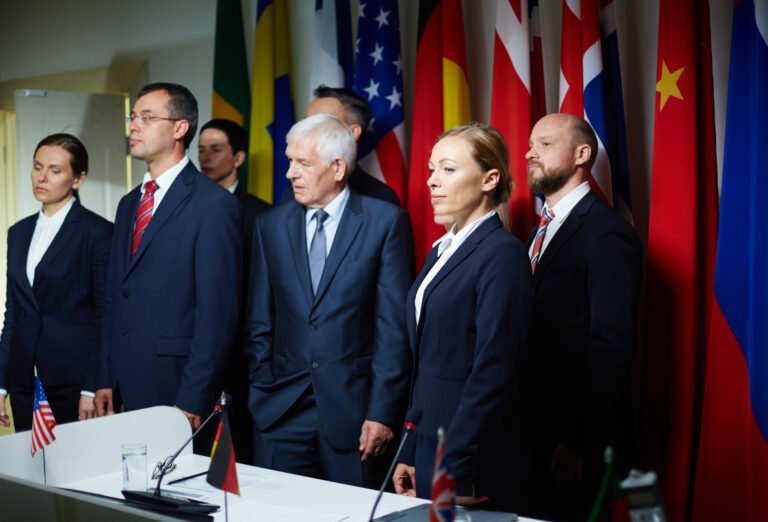
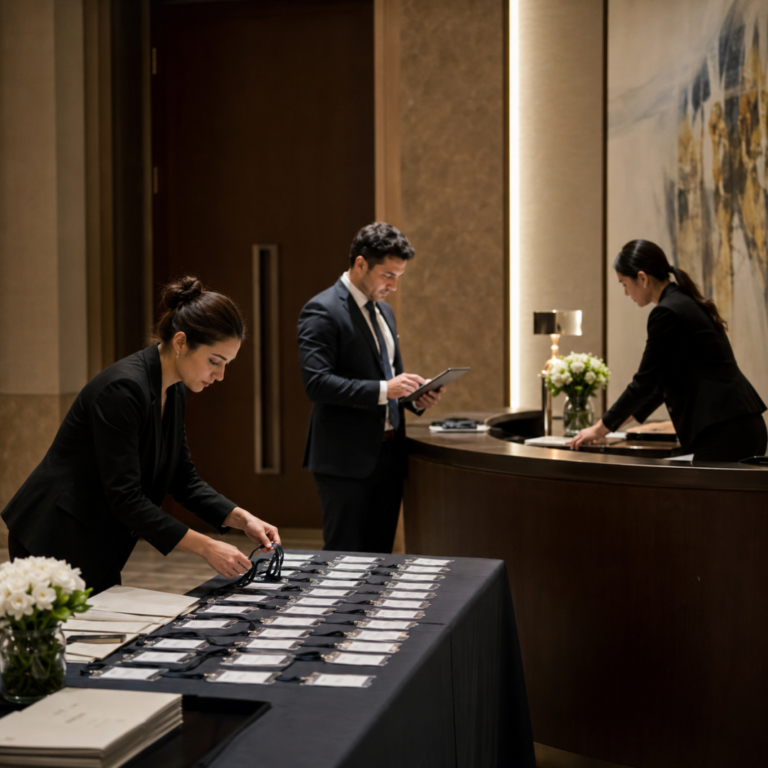
Advanced Professional Certificate in Public Relations and Event Marketing
The Advanced Professional Certificate in Public Relations and Event Marketing is a 100% online advanced professional certificate programme (1,500 hours, 12 months) for anyone who wants to build a career in public relations and event marketing. You learn through practical modules and real case studies, guided by tutors with industry experience, and finish with a capstone project.
New intake every two months · Interest-free payment plans · ESINEV certificate of completion (non-accredited training).

Overview
• Event Promotion: You will gain skills to promote events and attract a desired audience.
• Social Media Management: You will master the management of social media platforms to increase the visibility of events.
• Brand Construction: You will learn to build and manage the brand image effectively in the context of events.
• Public Relations: You will develop skills to establish strong relationships with stakeholders, media and the public.
• Impact Evaluation: You will gain knowledge about how to measure the impact of marketing and public relations strategies.
Our Advanced Professional Certificate in Public Relations and Event Marketing is a advanced professional programme designed to train professionals in communication and promotion strategies and tactics related to the events industry. This advanced professional certificate programme focuses on creating effective relationships with the public, promoting events and managing brand image through various marketing platforms. Students gain essential skills to design communication strategies, generate interest in events, and build strong brands in the event environment.
Studying from Australia
This programme is delivered 100% online in English, so you can study from anywhere in Australia — Sydney, Melbourne, Brisbane, Perth, Adelaide or Auckland — and fit your learning around work. The skills covered apply directly to events across Australia, from conferences and exhibitions to weddings and festivals. Fees are shown in Australian dollars (AUD) and can be spread with interest-free instalments.
About your certificate
ESINEV programmes are non-degree professional training delivered 100% online. On completion you receive an ESINEV certificate of completion. ESINEV is a private online training provider: this programme is not an Australian degree or AQF qualification, and is not accredited by TEQSA or ASQA.
Your learning path
Curriculum
A 1,500-hour program organized into 10 modules that combine public relations, corporate communication and marketing applied to creating and promoting events.
Submodule 1.1. The evolution of public relations
Covers Grunig and Hunt's models and their application to event communication.
Submodule 1.2. The event as a communication tool
Analyzes the event as a means of building reputation, relationships and business.
Submodule 1.3. Experiential marketing
Explains how experiences create an emotional bond between brand and audience.
Submodule 1.4. Audiences and stakeholders
Identifies and prioritizes internal, external, institutional and media audiences.
Submodule 1.5. Image, identity and reputation
Distinguishes the concepts of brand, perceived image and corporate reputation.
Submodule 1.6. The marketing mix applied to events
Adapts product, price, distribution and promotion to event design.
Submodule 1.7. Audience research
Uses surveys, interviews and secondary data to understand the target audience.
Submodule 1.8. SMART communication objectives
Sets measurable awareness, attitude and behavior objectives for each event.
Submodule 1.9. Ethics and professional standards in public relations
Covers professional codes and the ethical limits of persuasion.
Submodule 1.10. Trends in the events industry
Analyzes hybrid formats, personalization, sustainability and immersive experiences.
Submodule 2.1. The RACE planning model
Applies research, action, communication and evaluation to a public relations plan.
Submodule 2.2. Situation analysis and SWOT
Diagnoses the strengths, weaknesses, opportunities and threats of the event and the brand.
Submodule 2.3. Defining the key message
Builds consistent primary and secondary messages for each audience.
Submodule 2.4. Brand storytelling at events
Designs narratives that tie together the concept, staging and communication.
Submodule 2.5. Selecting channels and media
Combines owned, paid, earned and shared media according to objectives.
Submodule 2.6. Communication calendar
Plans activities before, during and after the event with clear milestones.
Submodule 2.7. Communication budget
Allocates resources to press, content, advertising and activations.
Submodule 2.8. Coordinating with agencies and suppliers
Writes briefs and manages communication, creative and media agencies.
Submodule 2.9. Internal communication plan
Engages employees and teams as ambassadors for the event and the brand.
Submodule 2.10. Strategic communication document
Writes a complete communication plan ready for approval.
Submodule 3.1. How newsrooms work
Explains journalistic routines, news values and media deadlines.
Submodule 3.2. Writing press releases
Writes press releases using the inverted pyramid structure and effective headlines.
Submodule 3.3. Press kit
Prepares information materials, images and resources for journalists.
Submodule 3.4. Media mapping and databases
Segments relevant general, trade, local and digital media.
Submodule 3.5. Press conferences and presentations
Organizes invitations, logistics and spokespeople for press conferences.
Submodule 3.6. Accreditation and the press room
Manages accreditation, the working area and media support during the event.
Submodule 3.7. Interviews and media training
Prepares spokespeople for print, radio, television and podcast interviews.
Submodule 3.8. Press trips and fam trips
Designs familiarization trips for journalists and influencers.
Submodule 3.9. Working with international media
Adapts press strategies to foreign media and news agencies.
Submodule 3.10. Monitoring and press clippings
Monitors media coverage and prepares coverage reports.
Submodule 4.1. Fundamentals of event protocol
Applies rules of precedence, head tables and guest seating.
Submodule 4.2. Official and business protocol
Distinguishes institutional from corporate protocol and their rules of application.
Submodule 4.3. Managing dignitaries and VIPs
Organizes the reception, escort and seating of dignitaries and public figures.
Submodule 4.4. Institutional relations and lobbying
Builds relationships with public authorities and organizations transparently and ethically.
Submodule 4.5. Invitations and guest lists
Designs invitations, manages RSVPs and controls attendee lists.
Submodule 4.6. Hospitality and key guest care
Designs hospitality experiences for clients, partners and sponsors.
Submodule 4.7. Structured networking
Designs activities and spaces that facilitate valuable connections among attendees.
Submodule 4.8. Etiquette and intercultural communication
Adapts protocol and behavior to guests from different cultures.
Submodule 4.9. Ceremonies, awards and formal events
Plans the scripts, running orders and staging of ceremonies.
Submodule 4.10. Relations with the local community
Manages the event's impact on neighbors, businesses and local organizations.
Submodule 5.1. Segmentation and positioning
Defines the event's segments, target audience and distinctive value proposition.
Submodule 5.2. Building the event brand
Creates the event's name, visual identity, tone and brand attributes.
Submodule 5.3. Brand architecture and sub-brands
Organizes the relationships between the organizing brand, the event, its editions and sponsors.
Submodule 5.4. Pricing and ticketing strategy
Designs rates, early-bird offers, packages and prices by audience segment.
Submodule 5.5. The event conversion funnel
Plans the stages of attraction, consideration, registration and attendance.
Submodule 5.6. The attendee's customer journey
Maps touchpoints before, during and after the event.
Submodule 5.7. Content marketing
Plans articles, videos and resources that generate interest and registrations.
Submodule 5.8. Email marketing and automation
Designs automated sequences for acquisition, reminders and follow-up.
Submodule 5.9. Partnerships and co-marketing
Develops agreements with associations, media and brands to extend reach.
Submodule 5.10. Loyalty and community
Turns attendees into a recurring community between editions of the event.
Submodule 6.1. Fundamentals of sponsorship
Distinguishes sponsorship, patronage, partnerships and conventional advertising.
Submodule 6.2. Inventory of sponsorable assets
Identifies spaces, content, rights and experiences with value for brands.
Submodule 6.3. Designing sponsorship packages
Structures tiers and benefits tailored to each brand's objectives.
Submodule 6.4. Sponsorship sales proposal
Writes sponsorship decks focused on the return for the sponsor.
Submodule 6.5. Attracting sponsors
Applies prospecting, pitching and closing techniques to sponsorship deals.
Submodule 6.6. Sponsorship activation
Designs brand experiences at the event that generate genuine interaction.
Submodule 6.7. Managing sponsor relationships
Coordinates deliverables, schedules and communication with each sponsor.
Submodule 6.8. Measuring sponsorship return
Calculates ROI and ROO using visibility, lead and perception metrics.
Submodule 6.9. Post-event sponsor report
Prepares results reports that make it easier to renew the agreement.
Submodule 6.10. Responsible sponsorship and social causes
Integrates social causes and ethical criteria into commercial partnerships.
Submodule 7.1. Social media strategy for events
Defines the event's platforms, objectives, tone and editorial calendar.
Submodule 7.2. Creating audiovisual content
Produces videos, reels, photography and graphics optimized for each channel.
Submodule 7.3. Live coverage
Organizes teams and workflows to publish in real time during the event.
Submodule 7.4. Hashtags and user-generated content
Encourages audience participation and manages attendee content.
Submodule 7.5. Influencer marketing
Selects, contracts and measures collaborations with content creators.
Submodule 7.6. Social media advertising
Plans targeted paid campaigns to attract attendees.
Submodule 7.7. Digital public relations
Earns mentions and links in digital media, blogs and podcasts.
Submodule 7.8. Managing online communities
Energizes communities and responds to users before, during and after the event.
Submodule 7.9. Social listening and monitoring
Uses listening tools to detect trends and sentiment.
Submodule 7.10. Communication at hybrid events
Brings in-person and remote audiences together in a single narrative.
Submodule 8.1. Types of crisis at events
Identifies crises arising from accidents, cancellations, controversies and operational failures.
Submodule 8.2. Crisis communication plan
Prepares a manual with scenarios, roles, messages and activation protocols.
Submodule 8.3. Crisis committee and spokespeople
Defines the committee's composition, decision-making and authorized spokespeople.
Submodule 8.4. Crisis messages and statements
Writes clear, empathetic and responsible statements under pressure.
Submodule 8.5. Social media crises
Manages negative viral content and responses in digital environments.
Submodule 8.6. Coordinating with authorities in emergencies
Aligns communication with emergency services and law enforcement.
Submodule 8.7. Communicating cancellations and changes
Informs attendees, sponsors and media of cancellations or postponements.
Submodule 8.8. Rebuilding reputation
Designs actions to restore trust after a crisis.
Submodule 8.9. Crisis communication drills
Practices crisis scenarios with evaluation of responses and timings.
Submodule 8.10. Analysis of real crisis cases
Studies reputational crises at major events and their lessons.
Submodule 9.1. Public relations evaluation models
Applies the AMEC framework and the Barcelona Principles to measurement.
Submodule 9.2. Event marketing KPIs
Defines indicators for registration, attendance, engagement and conversion.
Submodule 9.3. Web and campaign analytics
Interprets data from Google Analytics and advertising platforms.
Submodule 9.4. Satisfaction surveys and NPS
Designs questionnaires and calculates the event's Net Promoter Score.
Submodule 9.5. Evaluating media coverage
Analyzes the reach, tone and quality of coverage rather than advertising value equivalency.
Submodule 9.6. CRM and attendee data management
Centralizes data to segment, personalize and measure relationships.
Submodule 9.7. Data protection in marketing
Applies data protection regulations such as the GDPR to data collection, consent and marketing communications.
Submodule 9.8. Communicating sustainability
Communicates the event's environmental and social commitments while avoiding greenwashing.
Submodule 9.9. Accessibility and inclusion in communication
Creates accessible content that represents diverse audiences.
Submodule 9.10. Dashboards and results reports
Builds dashboards to present results to senior management and clients.
Submodule 10.1. The communications director at events
Analyzes the duties, responsibilities and competencies of the head of communication.
Submodule 10.2. Integrating PR and marketing
Aligns reputation and acquisition strategies in a single plan.
Submodule 10.3. Managing teams and agencies
Leads internal and external teams with clear roles and workflows.
Submodule 10.4. Innovation and new technologies
Assesses augmented reality, generative AI and personalization in communication.
Submodule 10.5. Managing budget and return
Optimizes communication investment based on measured results.
Submodule 10.6. Presenting proposals to clients
Defends communication strategies before clients and executive committees.
Submodule 10.7. The PR professional's personal brand
Builds a professional presence and network of contacts in the industry.
Submodule 10.8. Planning the final project
Defines the event, objectives and structure of the comprehensive communication plan.
Submodule 10.9. Preparing the final master's project
Develops the methodology, deliverables and schedule of the final project.
Submodule 10.10. Defending the project before the assessment panel
Prepares the oral presentation and defense of the plan submitted.
Design of a comprehensive public relations and marketing plan for a real or simulated event, with a brand strategy, media plan, sponsorship, crisis manual, budget and evaluation KPIs, defended before an assessment panel.
How you learn
Virtual campus available 24/7 on any device.
Personal follow-up and feedback on your work.
Flexible schedule that fits around your job.
Apply what you learn to a real events case.
Nearby You will get the support of our highly trained teachers, who will expedite your academic development, as well as the guidance of a backup mentor to assist you in achieving your goals.
Practical Our academic virtual space will be your main educational platform, where you will find all the programs you will take. In addition, you will have access to the electronic library, an online society to interact with other trainees and support accessible at all times.
Career paths
• Public Relations for Events: Some choose roles in public relations, establishing effective relationships with stakeholders and media.
• Social Media Managers: Others become social media managers, managing social media platforms for events.
• Image Managers Brand: They can also work on building and managing the brand image at events.
• Impact Evaluation Specialists: Some specialise in measuring the impact of marketing and public relations strategies.
Admissions
- Request information
Leave your details and an adviser will contact you.
- Guidance call
We review your profile and career goals.
- Enrolment and access
Secure your place and get access to the campus.
Fees & payment
Indicative instalment. Please confirm payment terms with the admissions team.
At Esinev Education in collaboration with ISEIE Innovation School, we are dedicated to ensuring your future by offering you a wide range of scholarships and financial aid so that you can receive the best education without obstacles. Our scholarships and grants are available to everyone, regardless of your profile, as we have various options to adapt to your personal circumstances. Explore all the information about our scholarships and aid, and choose the one that best suits your needs to ensure your academic training.
Academic excellence The scholarship for Students with an outstanding academic record is awarded to those students who have demonstrated outstanding performance in their studies. This scholarship recognises and rewards the effort, dedication and academic achievements of outstanding students.
Scholarship for people over 45 The scholarship for People over 45 is a unique opportunity designed specifically for people who want to resume their higher studies after having passed a certain stage of their life. This scholarship is aimed at those individuals who, despite not having had the opportunity to obtain a university education at the time, wish to acquire new knowledge and skills to advance their career or explore new professional horizons.
Scholarship for those under 25 The scholarship for young people under 25 is designed to support this specific age group in their pursuit of higher education. This scholarship provides opportunities and financial resources to help young people overcome economic barriers and access quality education. We value the potential and commitment of young people in their academic and professional development, which is why this scholarship is awarded to those who demonstrate outstanding academic performance, as well as strong motivation and dedication to achieve their educational goals. We are committed to supporting talented young people and providing them with the necessary tools so they can make the most of their potential and achieve a successful future.
Woman Leader Scholarship The “Women and Leadership” scholarship is designed to support and empower women who demonstrate strong leadership potential in their fields of study. This scholarship offers the opportunity to receive a quality education and develop leadership skills to help women excel in their careers and challenge gender stereotypes.
Entrepreneurship Scholarships The scholarship is aimed at those people who are working on projects or ventures that seek to generate a positive impact on the world. It is designed to support those individuals committed to making the world a better place through their initiatives.
Large Family The scholarship is specially designed for those students who belong to a large family, recognising and supporting the special circumstances they face in terms of financial resources and family responsibilities.
Self-Employed Scholarship The “Self-Employed Scholarship” is financial aid designed to support entrepreneurs and self-employed workers in their professional development and business growth. This scholarship offers financial support to cover expenses related to the training, advice and resources necessary to strengthen your business skills and competencies.
Job integration scholarship (for unemployed) The job integration scholarship is specifically designed to help unemployed people reintegrate into the labour market. This scholarship provides additional financial support and resources to ease the transition to new employment.
Frequently asked questions
Is this an official degree?
On completion you receive an ESINEV certificate. It is not an official degree; recognition can be assessed depending on the programme you complete and local regulations.
How long is it and how many hours?
Duration: 12 months. Study load: 1,500 hours, designed to fit around your work.
Is it taught online?
Yes. It is 100% online, with a virtual campus, downloadable materials and tutoring from industry professionals.
Can I pay in instalments?
Yes. Payment: 11 months. The admissions team will confirm the terms.
When can I start?
New intakes open every two months. Request information to secure a place in the next one.
Shall we talk about your future in events?
Leave your details and an adviser will walk you through the programme, dates and payment options.
WhatsApp